

Within today's rapidly modifying world, the ability to think critically is somewhat more important than ever. Because students navigate an overwhelming amount of information and varying views, they have to develop typically the essential skills that will empower these to evaluate, evaluate, and synthesize ideas effectively. Critical thinking not just increases academic performance nevertheless also equips students with the resources required for success throughout their personal in addition to professional lives. Simply by fostering a culture of inquiry plus encouraging curiosity, tutors can help learners discover how to differentiate between facts and thoughts, recognize biases, and ask the proper questions.
Understanding how to discover and nurture these kinds of skills in their classroom is vital. Strong critical thinkers possess unique characteristics that set all of them apart, including the ability to reason realistically and argue efficiently. These skills usually are not innate; these people can be trained and developed by way of targeted strategies in addition to engaging practices. Found in this article, we will explore the essential critical thinking skills every college student needs, signs regarding effective critical thinkers, and practical approaches for educators to enhance these capabilities in their students. By prioritizing critical thinking, we may prepare the following generation to deal with the challenges associated with an increasingly complicated world.
Essential Critical Thinking Skills
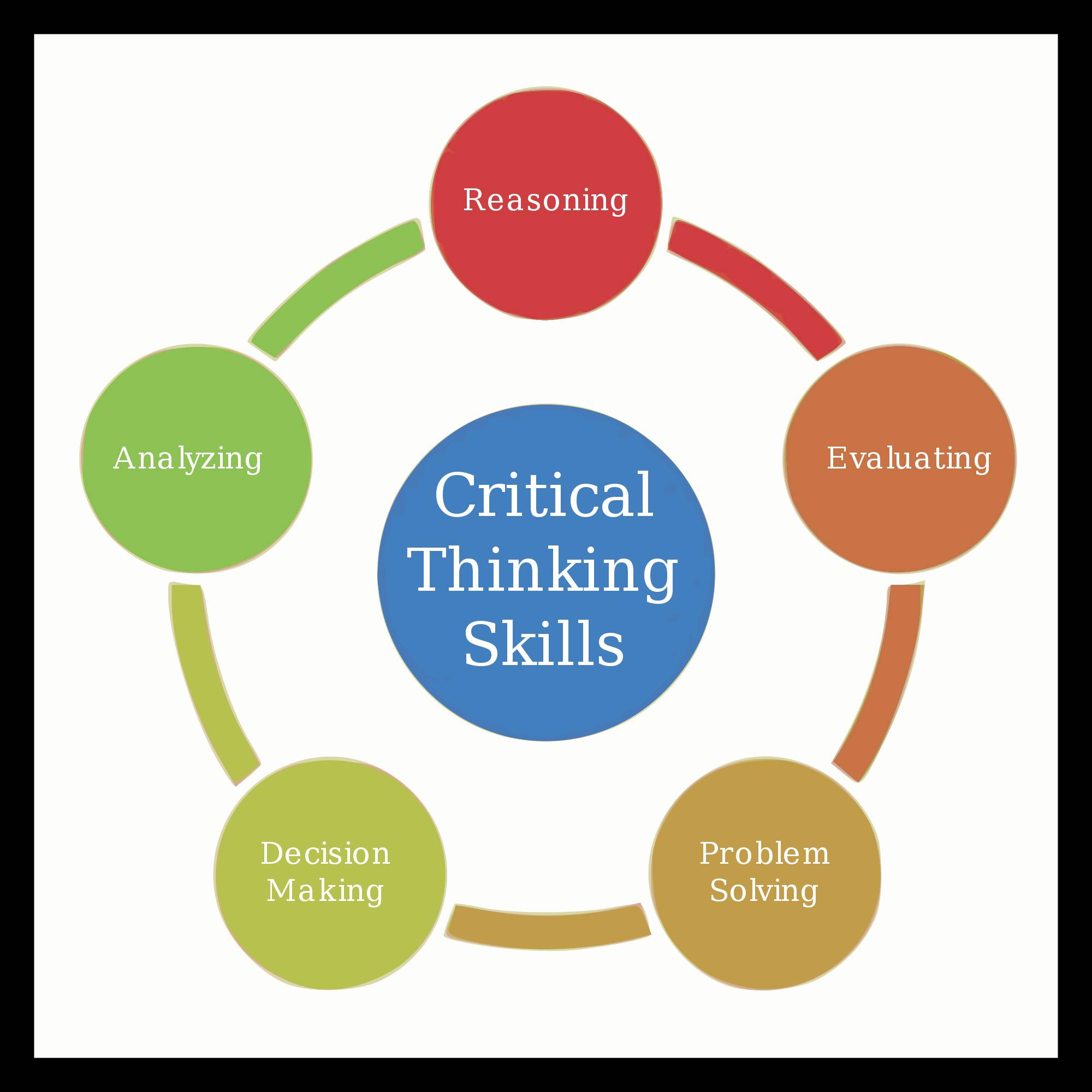
Critical thinking will be a multifaceted skill set that empowers students to analyze, examine, and synthesize info effectively. At blog is core, critical considering involves logical thinking and the capacity to question assumptions. Students who excel in this field can break all the way down complex problems straight into manageable parts, consider evidence, and draw informed conclusions. Creating these critical pondering skills is imperative for academic accomplishment and helps put together students for difficulties beyond the school room.
A vital aspect of critical thinking is typically the ability to separate facts and viewpoints. Students need to be able to be capable to evaluate the credibility of sources and recognize biases in the two their particular thinking and even that more. This specific ability to think that independently fosters a feeling of curiosity, encouraging college students to explore diverse perspectives and tips. By nurturing this particular inquisitive mindset, tutors can help students turn into stronger analysts, able of constructing substantiated arguments.
Collaboration also performs a critical function in developing important thinking skills. Engaging in debates and conversations enables students in order to articulate their thoughts clearly and think about alternative viewpoints. https://notes.io/wCgAJ of ideas not only increases their problem-solving skills but additionally builds self confidence in their reasoning. Stimulating a questioning traditions in the classroom where students feel safe in order to ask " why" promotes deeper understanding and mastery regarding critical thinking skills.
Discovering Strong Critical Thinkers
Realizing strong critical thinkers in the class room could be pivotal intended for nurturing their expertise further. These college students demonstrate an unique ability to assess information deeply, frequently looking beyond the to uncover hidden truths or presumptions. They ask insightful questions that echo their understanding, in addition to they are not afraid to concern prevailing ideas, displaying a willingness to engage with complex concepts. Their curiosity pushes them to explore topics in better depth, making contacts that others might overlook.
Another clear indicator of strong important thinkers is their particular adeptness at evaluating arguments. These students possess capability to distinguish between strong and weak reasoning, often identifying logical fallacies in others' thought processes. Any time engaged in discussions or debates, they will present well-structured arguments supported by evidence, and even they're capable involving adapting their standpoint when offered new information. This overall flexibility allows these to participate in constructive talk with their peers and enhances their very own collaborative skills.
Moreover, solid critical thinkers show an amount of self-reflection that sets all of them apart. They regularly assess their own personal thought processes plus biases, demonstrating a good understanding of how personal perspectives can condition conclusions. This ability to reflect leads them to make informed decisions, and they are generally seen employing the systematic approach to problem-solving, where they carefully consider different angles before reaching out a conclusion. These types of characteristics not simply define their critical thinking abilities although also lead to their own overall academic achievement and lifelong studying.
Training Critical Thinking with regard to Success
To equip learners with essential important thinking skills, tutors must integrate thoughtful questioning into their own teaching methods. This kind of involves fostering the environment where students feel comfortable wondering questions and conveying curiosity. By motivating students to discover the reasons driving concepts, teachers could help them differentiate between facts plus opinions. This critical inquiry lays the particular groundwork for indie thought and increases their capability to indulge in rigorous debate and discussion.
Another efficient approach is integrating real-world problem-solving situations into the curriculum. When students are usually faced with practical challenges, they learn to assess information, examine solutions, and make judgements based on research. This hands-on approach not only evolves their analytical abilities but in addition prepares them for that complexities associated with everyday life. Furthermore, these activities can easily help teachers determine strong critical thinkers and recognize logical reasoning skills within their students.
Finally, reflection in addition to self-assessment play a vital role in the development of critical thinking about. Encouraging students to evaluate their personal thought processes in addition to recognize biases fosters a deeper knowing of their reasoning. By understanding how to issue their assumptions plus consider alternative viewpoints, students build the confidence essential for impartial thought. In doing thus, they not simply boost their academic functionality but also progress the key traits of which define effective critical thinkers important for achievement in a speedily changing world.